
Skip to content

AI Integration

AI inside the software you already run.

Your CRM, helpdesk, inbox, accounts and shop, made to read, sort, draft and update on their own. No new platform for your team to learn, and nothing replaced that already works.

In plain terms

What this is, and when you need it

AI integration means connecting a model to the systems your business already depends on, so the work happens where your team already looks. A ticket arrives in the helpdesk already categorised and drafted. An invoice email lands in Xero as a bill. A WhatsApp enquiry becomes a CRM contact with the right follow-up.

It is the right choice when your tools are fine but people spend hours moving information between them, reading and re-typing. The work is mostly careful engineering: APIs, webhooks, data mapping and error handling, with AI doing the reading and drafting in the middle.

What's included

What you can have built

  • CRM and helpdesk

    Enquiries qualified, tickets sorted and replies drafted inside HubSpot, Zendesk, Freshdesk and similar.

  • Email and messaging

    Microsoft 365, Gmail, WhatsApp and SMS read, routed and answered, with a person in the loop.

  • Accounting

    Receipts, invoices and statements read into Xero or QuickBooks, matched and ready to approve.

  • Property and e-commerce

    Letting platforms, Shopify, WooCommerce and marketplaces kept in step and answering from live data.

  • API and webhook work

    Reliable connections with retries, queues and alerts, including systems with awkward or no APIs.

  • Data mapping

    Fields, formats and duplicates reconciled between systems so records match everywhere.

How it's built

Design principles

The rules every build follows, whatever the business.

  1. Keep your systems of record

    Your CRM and accounts stay the source of truth. AI writes into them; it does not become a second database to maintain.

  2. Least access, per connection

    Each integration gets its own credentials with only the permissions it needs, stored securely and easy to revoke.

    How this works, in the Lab
  3. Built for failure

    Retries, queues and dead-letter alerts, so a supplier outage or an API change is noticed, not silently lost.

    How this works, in the Lab
  4. Approvals where it counts

    Routine updates can flow automatically. Payments, customer-facing replies and deletions can wait for a person.

    How this works, in the Lab
  5. Every change traceable

    A log of what moved where, and why, so "who changed this?" always has an answer.

    How this works, in the Lab
  • Approvals. Money, publishing and advice wait for a person.

  • Data control. Runs in accounts you control, never used for training.

  • UK GDPR. What is processed, where and by whom, written down.

  • Logging. Every action recorded: who did what, and when.

Where it fits

What it looks like in practice

  • Online retail

    Stock, prices and orders synced between a supplier feed, the shop and every marketplace.

  • Accountancy

    Client documents read from email into the practice software and the books, with missing items chased.

  • Letting agents

    Maintenance requests from WhatsApp and email logged in the property platform and sent to the right contractor.

  • Services firms

    Website enquiries qualified, added to the CRM and followed up on time, every time.

The engagement

How it runs, start to finish

The full process
  1. Blueprint

    Map every system, field and hand-off involved, and agree which steps are automatic and which wait for approval.

  2. Build

    Connections built and tested against sandbox or copied data first, then your live systems.

  3. Launch

    Switched on in shadow mode alongside the manual process, then trusted once the numbers match.

  4. Run

    Monitoring for API changes and failures, with fixes and new connections as your tools change.

Stack

What it's built with

Chosen per project. These are the tools in production today.

Models
  • Claude
  • GPT
  • Gemini
  • OpenRouter
Frameworks
  • Node.js
  • Python
  • MCP
  • n8n
  • BullMQ
Data
  • Postgres
  • Supabase
  • Redis
Infra
  • Vercel
  • Fly.io
  • Docker
  • Azure
Platforms
  • Microsoft Graph
  • Google Workspace
  • Xero
  • QuickBooks
  • HubSpot
  • Shopify
  • WooCommerce

Related work

Built and running

All work

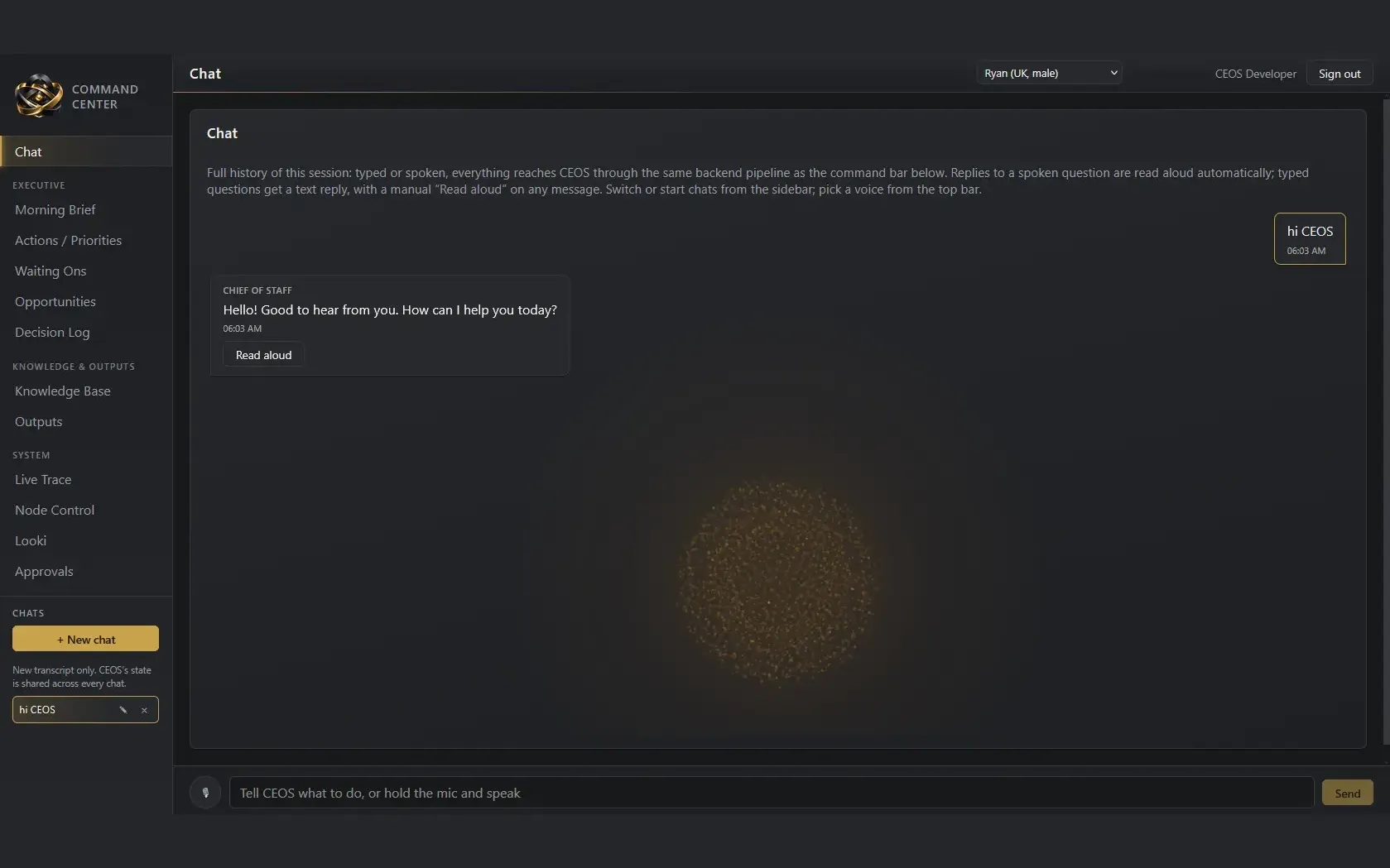
6 director agentsbehind one chief of staff, with signed approval on every action that matters

CEOS, an AI chief of staff

A chief-of-staff platform for a UK property group, where six AI director agents run the admin across email, calendars and business data, and nothing important happens without a signed approval.

AI agents
  • FastAPI
  • Python
  • Next.js 14
  • TypeScript

Live pricesquoted on every call from real availability, never guessed

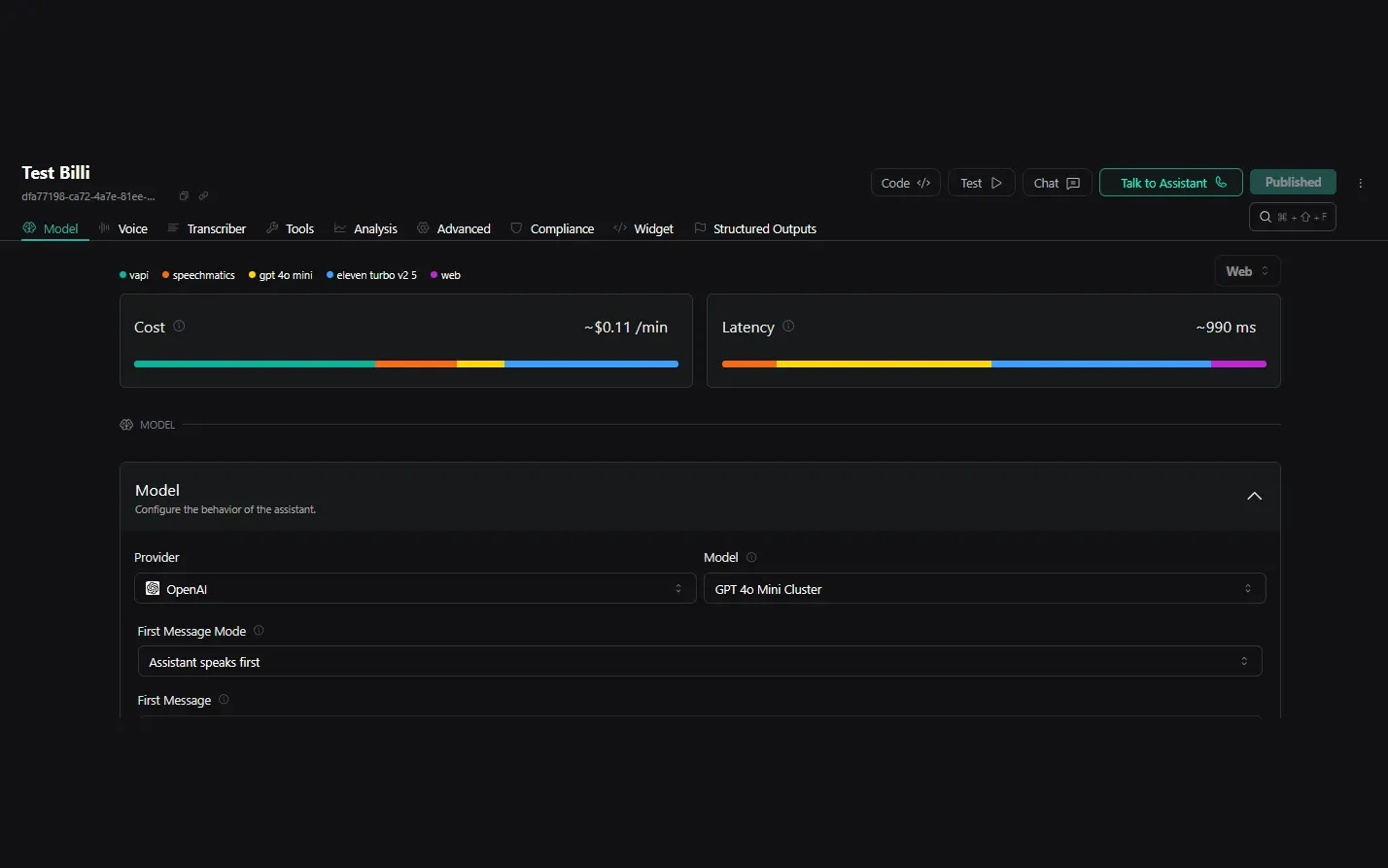
Billi voice assistant

A phone assistant for a car rental business that quotes real prices and availability instead of guessing.

AI integration
  • VAPI
  • ElevenLabs
  • Supabase Edge Functions
  • SQL

FAQ

AI integration: common questions

What does an AI integration cost?

A single connection with AI reading and drafting in the middle is usually a small four-figure build. Several systems with two-way sync and approvals cost more. The Blueprint gives you a fixed price.

How long does it take?

One integration is typically live in one to three weeks. Larger multi-system work is delivered in stages, each one live before the next starts.

Our software has no API. Can it still be connected?

Often, yes: through email, exports, scheduled reports or a supported automation route. The Blueprint confirms the safest option for your exact system before you commit.

What happens if a connected system goes down?

Work is queued and retried, and you are alerted if something cannot be delivered. Nothing is silently dropped, and the log shows exactly what was waiting.

Will our data be used to train AI models?

No. AI services are configured so your data is not used for training, systems run in accounts you control where possible, and the design is documented for your UK GDPR records.

Do we own the integration?

Yes. The code and configuration are yours once paid for, with documentation so another developer could pick it up.

Not sure where to start? Book a Blueprint

A fixed-fee architecture engagement: what to build, how it fits your tools, and a fixed price to build it. £160, credited against the build.